First Person or Third? Choosing a Point of View for Your Story


Point of view decides who tells the story and what the reader can know. This is craft opinion, and many fine books break the common advice. Use it to choose on purpose.
The main options
- First person ("I"). Close and personal. The reader only knows what the narrator knows, and the narrator's voice must carry the book.
- Third person close. Stays inside one character at a time. Flexible and common in novels.
- Omniscient third person. Can move between characters and know more than any one of them. Decide how this narrator controls those shifts.
- Second person ("you"). Addresses a character or reader as you. Test whether this address fits your story rather than treating it as a length rule.
Past or present tense
Past tense places the telling after events. Present tense places it alongside events as they unfold. Test the effect in your own scene. Pick one and keep to it unless a change is deliberate.
A one-scene test
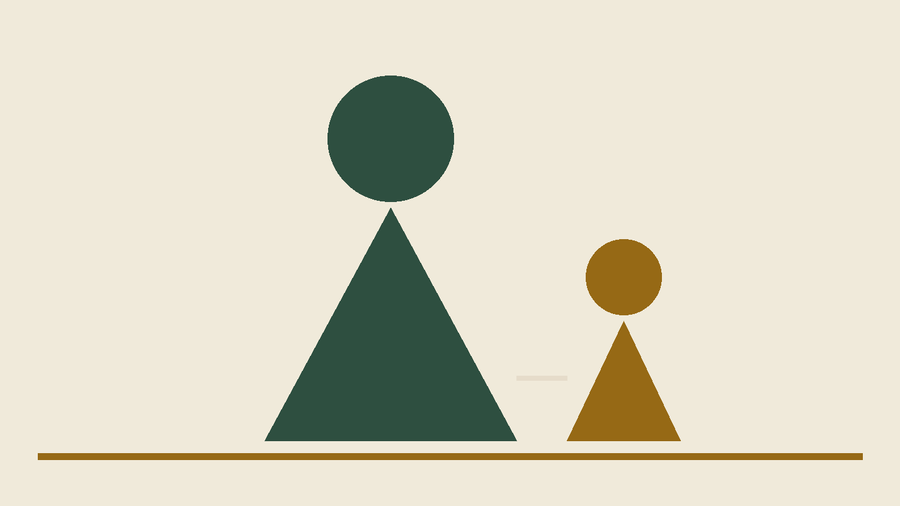
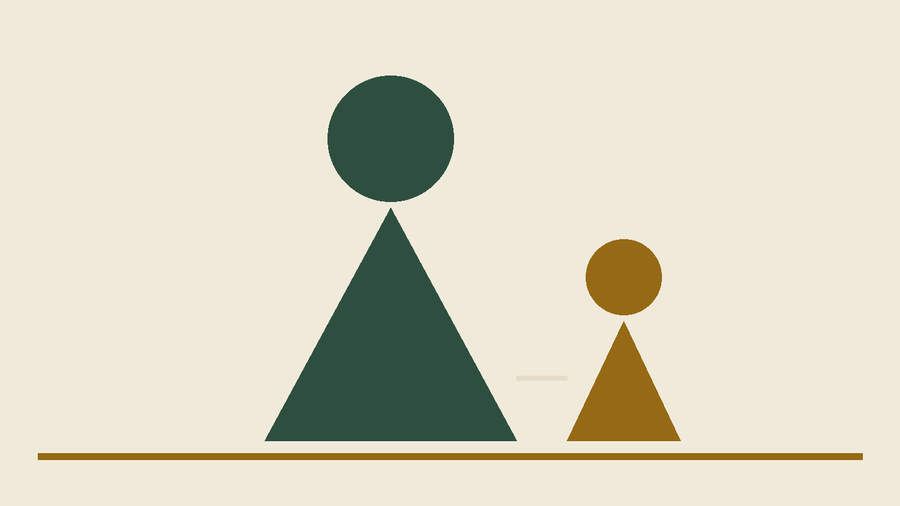
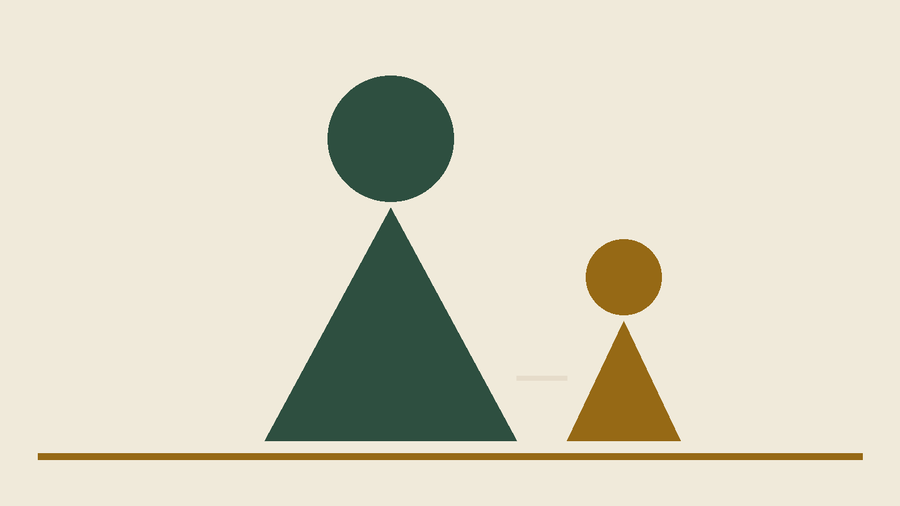
Write the same short scene three ways: first person, third person close and omniscient third person. Invented scene: a girl waits outside the headmaster's office. In first person, we hear her worry directly. In third close, we can follow her sensations and thoughts without entering the secretary's mind. An omniscient narrator could also tell us what the secretary privately believes. Merely showing the secretary watching does not by itself make a narrator omniscient. Read the three aloud and see which one the story wants.
Common mistakes
- Slipping into another character's thoughts in the middle of a scene without meaning to.
- In first person, describing things the narrator cannot know.
- Changing tense by accident in the final draft.
An editor will often catch these at the editing stage. See our article on editing vs proofreading and on handling an editor's notes.
Message us on WhatsApp to ask about publishing costs