How to Choose Children's Books by Age: A Parent's Guide


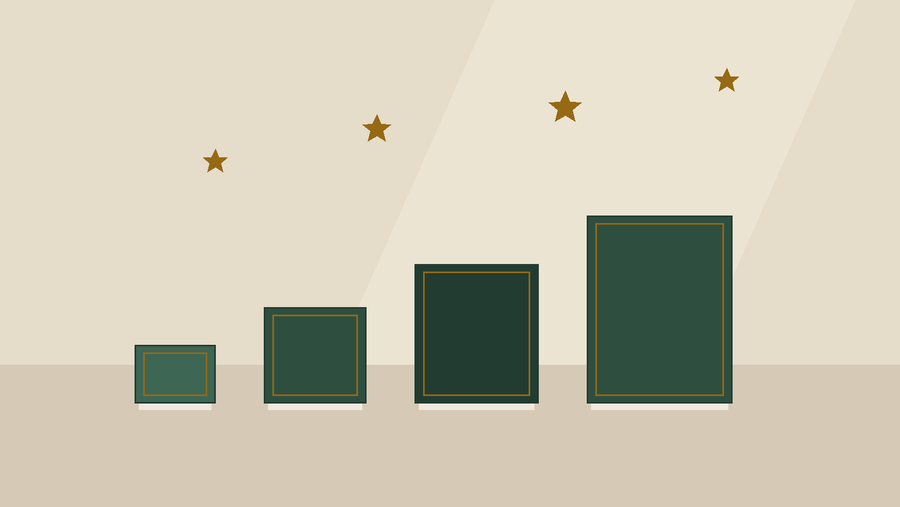
Walk into any bookstore or book fair and the children's section offers thousands of titles. The secret nobody prints on the shelf: the best book is not the best-written one, it is the one that matches where your child is right now. A book that is too easy bores, a book that is too hard discourages, and both teach the same wrong lesson, that reading is not for them.
0 to 2: books as objects of comfort
At this age the book is a shared lap, a familiar voice and pages that survive enthusiasm. Look for board books with thick pages, one clear image per page, few words and rhythm. Repetition is not a flaw here; it is the whole point. If the child wants the same book every night for a month, the book is doing its job.
3 to 5: the picture book years
This is the golden age of the picture book. The story should be readable aloud in five to ten minutes, with illustrations that carry half the meaning. Children this age "read" the pictures while you read the words, so flip through before buying: if the pictures alone tell you what is happening, the book works. Rhyme helps, gentle humor helps, and a story the child can retell to a stuffed animal afterward is the real test of success.
6 to 8: the bridge to independent reading
Somewhere in these years the child crosses from being read to, to reading alone. Bridge books make the crossing gentle: short chapters, large print, an illustration on most pages, and vocabulary that stretches without snapping. Series matter at this stage; a child who loves one book in a series will read five, and five books in a row is how a reader is made.
9 to 12: the age of appetite
Older children read with appetite and strong opinions. Novels, adventure, mystery, science, history told as story, and non-fiction about whatever currently fascinates them. The adult's job shifts from choosing to supplying: keep the options flowing, respect the choices even when they are not your taste, and never mock a book the child loves. A child who chooses their own books is a reader for life.
The two-minute test in any store
- Open to a random page. For a read-alone book, the child should know most words but not all; a handful of new words per page is growth, a page full of them is frustration.
- Read one page aloud. For younger children, listen for rhythm and watch whether the child leans in or away.
- Ask the child. After age four, interest is visible. The book the child carries around the store is usually the right one.
One rule above all
A child who rereads a beloved easy book is reading, and reading is the goal. Level matters far less than love. Choose the book the child will open twice.
Looking for a book matched to your child's age? Message us on WhatsApp and tell us their age.