Translation Rights at Book Fairs: What Authors and Small Publishers Should Know


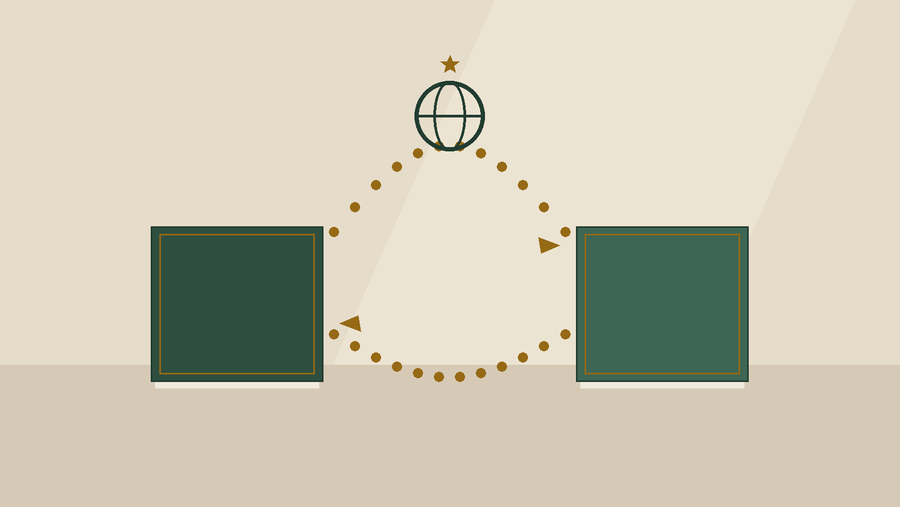
Walk past the public stands at any major book fair and you will find quieter tables where a different business happens: publishers buying and selling the right to publish each other's books in other languages. This is the rights trade, and understanding it changes how you see a book's value. A book is not one product; it is a bundle of rights, and each language edition is a separate asset.
What a "right" actually is
When you write a book, you own its copyright. Publishing it in Arabic in the UAE uses one slice of that ownership: Arabic-language rights for a territory. The same book's English edition, French edition or Turkish edition each use another slice. An author who signs with a publisher should know which slices the contract grants: one language, one territory, or worldwide rights in all languages. The answer decides who can sell the book's future editions, and who gets paid when they sell.
How rights deals work at fairs
At fairs like Sharjah and Abu Dhabi, and at specialist trade fairs abroad, publishers meet to trade these slices. A typical deal: a publisher in one country sees a book, believes it would work in their language and market, and buys the right to translate and publish it there. The original publisher (or the author, if they kept the rights) receives an advance and royalties on the translated edition. The buying publisher pays for the translation, printing and marketing in their market.
Why this matters for Arabic children's books
Strong children's books travel well: the stories are universal and the illustration carries them across languages. A well-made Arabic picture book can find readers in English, French, German, Turkish or Malay, and each edition is income from work already done once. The reverse is also true: a publisher can bring a beloved foreign book to Arabic readers by buying its Arabic rights.
Preparing to sell rights
- Know what you own. Before any conversation, confirm which rights your contracts give you. You cannot sell a slice you already signed away.
- Prepare a rights sheet. One page per title: cover, a short description, age or genre, page count, publication date, and what rights are available. Rights buyers see hundreds of titles; the sheet is what survives the meeting.
- Bring the physical book. For children's books especially, the object sells: paper, colors and finish convince faster than any description.
- Check the fair's rights programme. Major fairs run rights centers or professional programmes that arrange meetings between publishers; the fair's official site lists them by edition.
If you are an author, not a publisher
Rights are why the contract matters more than the advance. Keeping translation rights, or getting them back after a period, keeps your book's future in your hands. If your book succeeds, those clauses decide whether its journey into other languages benefits you. Our article on what to ask before signing a publishing contract covers the questions in detail.
Thinking about your book's life beyond one language? Message us on WhatsApp to ask about publishing.